Will Your Sofa Fit Up a NYC Walk-Up? Complete Doorway, Stairwell & Teardown Guide
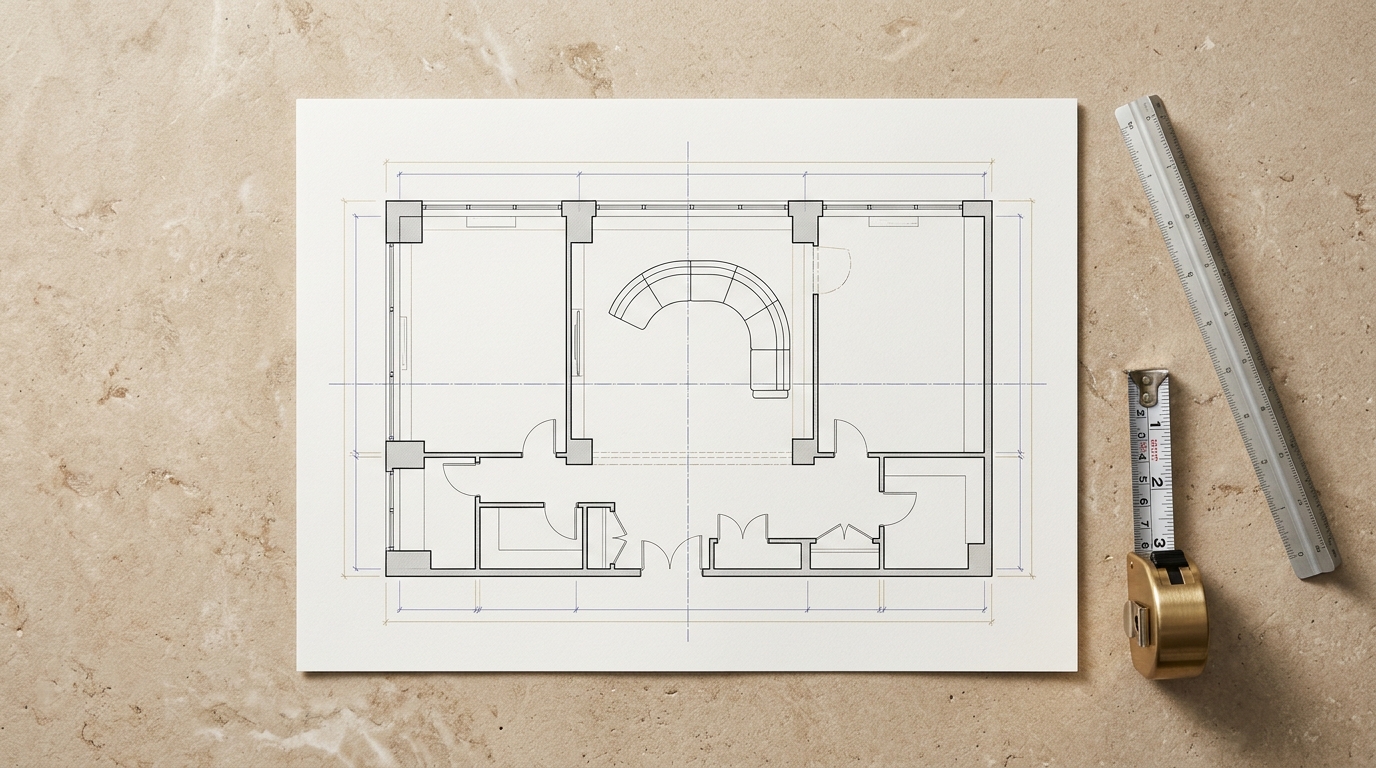
- Most pre-war Manhattan and Brooklyn apartment doorways measure 28 to 31 inches wide inside the doorstop, while deep designer sofas measure 36 to 42 inches deep and 84 to 108 inches long.
- Measure four exact clearances before delivery day: doorway clear width, hallway opposite-wall swing depth, stairwell landing turn clearance, and freight elevator cab diagonal.
- If your sofa misses a turn by even 2 inches, professional white-glove sofa teardown and reassembly opens factory upholstery along hidden seams, separates the frame, carries sections upstairs, and rebuilds it invisibly on site.
Why Brand-New Sofas Get Stuck in New York City Lobbies Every Day
Across Manhattan, Brooklyn, and Queens, thousands of residential and commercial sofa deliveries fail at the last ten feet every year. Retail showrooms in SoHo, Flatiron, and online brands like Restoration Hardware, West Elm, Arhaus, and Crate & Barrel build deep, kiln-dried hardwood frames engineered for suburban foyers — not 1920s Upper West Side walk-ups, Park Slope brownstones, or narrow pre-war elevator corridors.
Standard retail freight carriers are strictly prohibited from modifying furniture or removing apartment doors. The moment a 96-inch sectional hits a tight 90-degree stairwell turn or an 82-inch elevator ceiling, the delivery crew leaves it in your lobby — exposing you to a 20% to 30% restocking fee, months waiting on a replacement custom order, or an urgent same-day lobby rescue.
Understanding how New York City building geometry works before delivery day prevents expensive surprises and helps you decide immediately whether you need a standard white-glove delivery or a structural sofa teardown and reassembly crew.
The 4 Measurements Every NYC Homeowner & Designer Must Check
Never rely on rough visual estimates or architectural listing specs. Grab a rigid tape measure and record these four exact numbers to the nearest quarter-inch:
- Doorway Clear Opening Width (Inside the Stop): Open the door as wide as it naturally swings and measure from the interior doorstop trim to the face of the open door (not frame-to-frame). Removing hinges adds roughly 1.5 to 2 inches, which rarely saves a 38-inch-deep frame.
- Entryway & Opposite-Wall Swing Depth: Stand at your apartment entrance and measure straight across to the opposite wall or stairwell railing. A sofa longer than 84 inches generally requires at least 42–48 inches of swing depth to pivot around a 90-degree entry turn.
- Stairwell Turn & Ceiling Headroom: In Brooklyn brownstones, West Village walk-ups, and East Village tenements, measure the diagonal from the outer corner of the landing floor up to the low point of the ceiling overhang above the stairs. Low staircase ceilings stop tall sofas even when the stairs look wide enough.
- Freight Elevator Door & Cab Diagonal: Measure the interior height, cab depth, and interior diagonal. Many Manhattan pre-war buildings have 78–84 inch elevator doors with a diagonal under 92 inches — meaning any single-piece sofa over 90 inches cannot stand vertically inside the cab.
| NYC Building Type | Typical Door Width | Typical Turn / Cab Limit | Teardown Likely Needed When… |
|---|---|---|---|
| Pre-War Walk-Up (UWS / Village / EV) | 28" – 31" | Narrow 90° stair landings | Sofa length > 80" or depth > 35" |
| Brooklyn Brownstone (Park Slope / Heights) | 30" – 34" | Low parlor-to-2nd ceiling | Curved sectionals, sleepers, or > 84" |
| Manhattan Co-op / Pre-War Elevator | 30" – 33" | 80"–84" cab height | Single-frame length > 86" |
| Modern High-Rise / Medical Suite | 32" – 36" | Freight elevator reservations | Oversized curved med-spa sofas (> 96") |
How Professional Sofa Teardown & Invisible Reassembly Actually Works
Many first-time clients assume "taking a sofa apart" means cutting wood or permanently weakening a designer piece. Done properly by experienced upholstery and frame specialists, nothing is ever cut arbitrarily and zero structural strength is lost.
Step 1: Pre-Teardown Inspection & Surface Protection
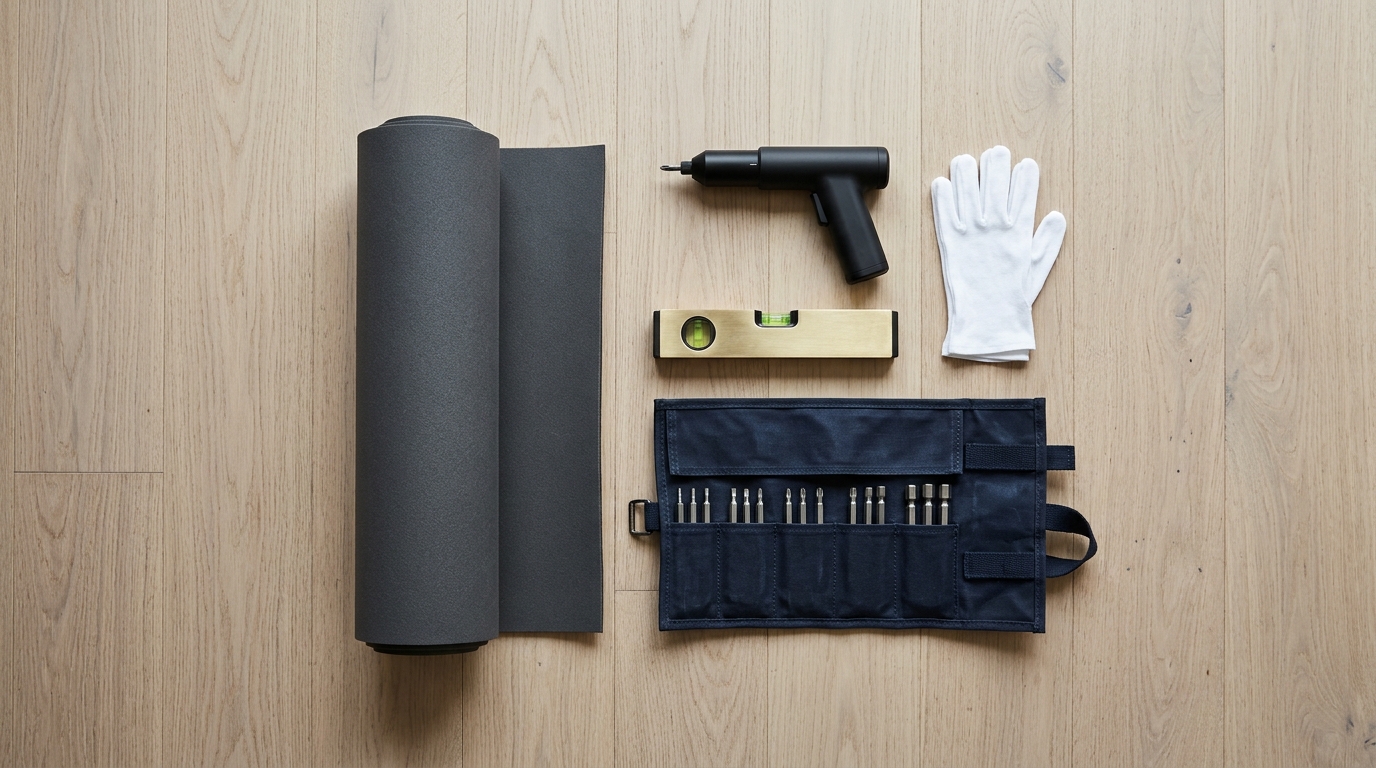
Before touching a fastener, our crew lays heavy charcoal neoprene floor runners along your hallway and vestibule, pads tight door jambs, and documents pre-condition photos of the fabric, leather, or bouclé weave.
Step 2: Clean Factory-Seam Opening & Frame Separation
Working from the underside cambric dust cover and hidden tack strips, we carefully release factory staples and unbolt or separate the arms, back rail, or sleeper mechanism along natural joinery points. Reducing a 38-inch-deep sofa down to flat 16-inch panels lets even an 11-foot curved sectional glide cleanly through a 29-inch doorway.
Step 3: Invisible On-Site Reassembly & Tension Verification
Inside your living room or medical reception suite, we reinforce every joint with commercial wood glue, hardwood corner blocks, and structural fasteners, re-stretch upholstery to factory tension, close hidden seams invisibly, and install a fresh black dust cover underneath. Even inspecting inches away, you cannot tell the piece was ever opened.
What to Do Right Now If Your Sofa Is Stuck in a NYC Lobby
If a retail delivery truck already dropped your sofa downstairs — or refused delivery on the sidewalk — take three quick steps to dispatch a teardown crew fast:
- Snap 4 photos on your phone: (1) the sofa or packaging label/brand, (2) the tight doorway or stairwell turn where it got stuck, (3) the elevator door if applicable, and (4) your apartment entrance.
- Ask your super or concierge about building COI rules: Manhattan and luxury Brooklyn buildings often require an Additional Insured Certificate of Insurance before an outside crew uses the freight elevator. Simply King issues verified $2M COIs same day.
- Keep the piece dry and wrapped: Leave plastic wrap or moving pads over bouclé, velvet, or leather until our crew arrives with quilted blankets and padded straps.
Frequently Asked Questions
Does sofa disassembly void the strength or ruin bouclé, velvet, or leather upholstery?
No. Trained white-glove specialists open upholstery strictly along hidden factory staple lines and underside dust covers, separate structural arms or backs cleanly, and rebuild the frame with reinforced corner blocks and factory-tension re-seaming so there is zero visible trace.
How long does a typical NYC sofa teardown and reassembly take?
Most residential sectionals and three-seat sofas take 90 minutes to 2.5 hours start to finish, including floor protection, corridor transit, full structural rebuild, and cleanup. Oversized curved commercial or med-spa sofas typically take 2.5 to 3.5 hours.
Can Simply King handle same-day lobby rescues in Manhattan and Brooklyn?
Yes. We keep dedicated teardown slots open across Manhattan, Brooklyn, Queens, and Hoboken/Jersey City for urgent delivery-day rescues. Text photos of your sofa and hallway for an immediate upfront quote.
Can you also disassemble an existing sofa when moving out of a NYC apartment?
Yes. We regularly disassemble oversized sofas before move-out, wrap each section safely for your movers (or transport it in our own white-glove van), and reassemble it inside your new home or office.